
Why Safety Became a Luxury Item [And Why We Are Changing That]
In the security industry, we spend a lot of time talking about "hardening targets." We talk endlessly about cameras, locks, perimeter fences, and access controls. But we rarely talk about the hardest part of the job, which has nothing to do with hardware and everything to do with the emotional weight of the decision.
For thirty years, I have watched threat assessment teams carry this weight, and I have seen the toll it takes. I’ve seen the fatigue in the eyes of a School Superintendent who has to decide if a student is just "acting out" or posing a genuine danger; I’ve seen the quiet anxiety of an HR Director who is terrified that firing a volatile employee might trigger the very violence they are trying to prevent.
The "Care Challenge" in Security
We often treat threat assessment as an analytical puzzle to be solved, but for the people doing the work, it is a Care Challenge. These teams are often overworked, under-resourced, and scared of getting it wrong. Every time a file hits their desk, they feel the pressure of the entire organization looking at them, waiting for an answer. That pressure leads to burnout, burnout leads to hesitation, and in our line of work, hesitation is dangerous.
What frustrated me most wasn't that the work was hard—it is supposed to be hard. What frustrated me was that help was exclusive.
The Inequality of Safety Resources
If you run security for a Fortune 500 company or a massive university system, you have the budget to hire former federal agents, forensic psychologists, and high-level consultants to help you carry that weight. You have a safety net that money can buy.
But the community hospital, the local manufacturing plant, and the mid-sized school district do not have that luxury. They face the exact same threats and deal with the exact same volatile behaviors, but they are often left to fend for themselves because they cannot afford a five-thousand-dollar retainer or a high-priced consultant.
We have inadvertently created a world where high-level Targeted Violence Prevention is a luxury good. That is ethically wrong. Duty of care should not depend on your revenue, and safety shouldn't be determined by your zip code.
Democratizing Expertise with Threatalytics AI
This is why I founded Threatalytics AI.
I didn’t build it because I wanted to start a software company; I built it because I wanted to democratize expertise. I wanted to take thirty years of experience—the frameworks, the behavioral indicators, and the de-escalation pathways—and make them accessible and attainable for all.
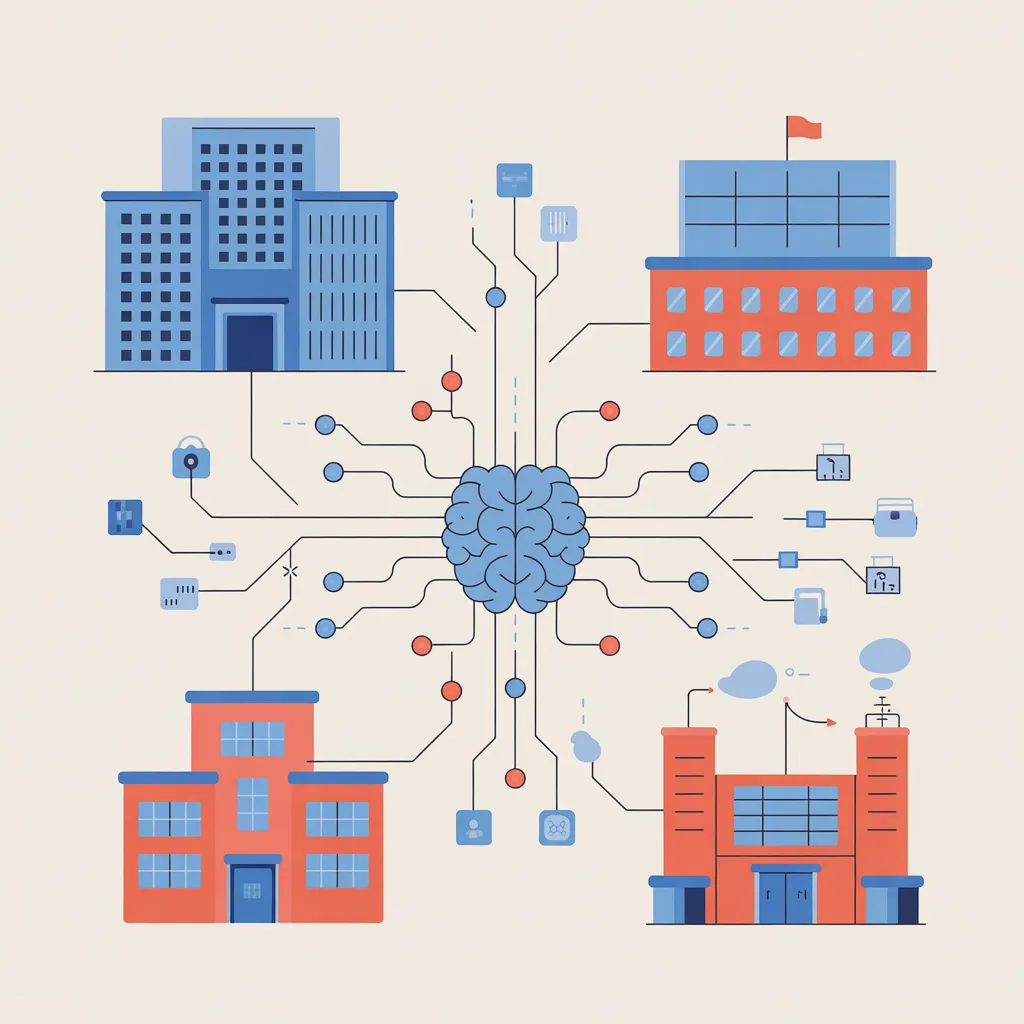
We built this platform to be the "Second Set of Eyes" for the teams that can't afford a full-time expert, and to support the "Part-Time Protector" who needs validation, guidance, and a place to stand. When a team uses our Private Node, they aren't just getting a computer output. They are getting a partner that helps them shoulder the load, a system that effectively says, "I see what you see. Here is the policy that supports you. Here is the safe path forward."
Making Safety Accessible Again
Our mission isn't just to stop violence. Our mission is to support the people who are trying to stop violence. We believe that every organization, no matter its size or budget, deserves access to elite-level threat assessment capabilities, and that no one should have to make a life-safety decision alone.
That is why we exist. To close the gap, share the weight, and make safety accessible again.